Back to home
Technology

Japanese tech giant deploys laser drones to protect chickens — drones are hoped to prevent the spread of avian flu

Source

Tom's Hardware

Published

TL;DR

AI Generated

Japanese tech giant NTT has developed a laser drone system in collaboration with NTT East Japan Co., Ltd and the government of Chiba Prefecture to protect poultry farms from wild birds like crows and pigeons, aiming to prevent the spread of avian flu. The drones are designed to scare off birds that can transmit the flu through their presence or droppings, potentially avoiding the need for mass culling of infected livestock. The laser drones use a split beam of red and green rays to deter various bird species, and local government subsidies may help farmers implement this automated bird deterrent system. The technology is seen as a more effective and humane solution compared to manual bird-chasing methods or the use of noise or chemicals.

Read Full Article

Similar Articles

Nvidia exec says AI is more expensive than actual workers — yet some companies don't see the extra costs as a negative

Nvidia exec says AI is more expensive than actual workers — yet some companies don't see the extra costs as a negative

Some companies are realizing that the cost of AI tokens can exceed the expenses of human workers, leading to significant spending on AI assistants and automation agents. Despite the high costs, CEOs view these investments positively as they drive innovation and progress in automation. However, overspending on AI without a solid plan can result in substantial losses for businesses. The future impact of AI spending alongside traditional workforce costs remains uncertain, but it is clear that companies are navigating this new tech era with potential layoffs and financial adjustments.

Tom's Hardware
DARPA calls for proposals for autonomous underwater drones — gov't looking for a small, cheap autonomous sub that can be developed and built quickly

DARPA calls for proposals for autonomous underwater drones — gov't looking for a small, cheap autonomous sub that can be developed and built quickly

DARPA has issued a call for proposals to develop a small, affordable autonomous underwater drone that can be quickly built and deployed. The program, known as Deep Thoughts, aims to create flexible AUVs using readily available parts with a rapid development timeline. This initiative reflects the military's interest in expanding drone capabilities beyond aerial vehicles to the deep sea. The U.S. government seeks innovative approaches to building autonomous underwater systems to keep pace with evolving technologies and cost-effective solutions in the drone space.

Tom's Hardware
Russian-made Shahed drones are ‘disintegrating in the air before reaching their targets’ due to shoddy manufacturing, video shows — commentators call Russian clones of Iran's drones 'flying garbage'

Russian-made Shahed drones are ‘disintegrating in the air before reaching their targets’ due to shoddy manufacturing, video shows — commentators call Russian clones of Iran's drones 'flying garbage'

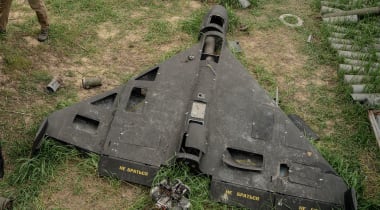
Russian-made Shahed drones are facing criticism for disintegrating in the air before reaching their targets due to poor manufacturing quality. Video footage from Ukrainian Sting interceptor drones reveals defects like missing body panels, stray wiring, and deformed wingtips on the drones. The drones are said to be produced in Russia's Alabuga Special Economic Zone with minimally trained workers using inferior Chinese parts. This decline in quality has led to a decrease in the hit rate of these drones in Ukraine, turning them into tools of attrition rather than precision.

Tom's Hardware
SemiEngineering

Advancing Autonomous Fabs

The semiconductor industry is moving towards Autonomous Semiconductor Fabs, driven by increasing process complexity and equipment costs. Preventive maintenance (PM) is now crucial for equipment availability and productivity. PM automation is seen as a key enabler for autonomous semiconductor manufacturing, addressing challenges in large-scale adoption. The industry recognizes the need for PM automation to enhance manufacturing resilience. The white paper emphasizes the importance of system-level transformation in PM automation, requiring coordination across various aspects like equipment design, data infrastructure, and robotics.

SemiEngineering

We use cookies

We use cookies to ensure you get the best experience on our website. For more information on how we use cookies, please see our cookie policy.