Back to home

Articles tagged with "open-source"

Linux exploit instantly grants administrator access on most distributions since 2017 — cryptography optimization snafu grants root privileges to local users

Linux exploit instantly grants administrator access on most distributions since 2017 — cryptography optimization snafu grants root privileges to local users

A recent Linux exploit, CVE-2026-31431, allows local unprivileged users to gain root access instantly on most Linux distributions since 2017. The exploit affects popular distros like Ubuntu, RHEL, Suse, and Amazon Linux, as well as Windows' WSL2. The vulnerability, discovered by Xint Code researchers, involves a cryptography optimization flaw that grants administrator privileges through a devious attack on the AF_ALG socket. While a patch has been released, some distributions may still be vulnerable, requiring mitigation methods like disabling AF_ALG sockets. The exploit occurs in memory without leaving detectable traces on disk, making it challenging to detect with security software.

Tom's Hardware
The most severe Linux threat to surface in years catches the world flat-footed

The most severe Linux threat to surface in years catches the world flat-footed

A critical Linux vulnerability, named CopyFail (CVE-2026-31431), has been disclosed by security researchers, allowing unprivileged users to gain root access across various Linux distributions. The exploit code, released by Theori, works universally without modification, posing a significant threat to data centers and personal devices. While the Linux kernel security team patched the vulnerability in several versions, many distributions had not yet implemented the fixes at the time of the exploit's release. This flaw enables attackers to execute malicious activities like hacking multi-tenant systems and creating backdoors, emphasizing the severity of the issue.

Ars Technica
Developer re-enables 3D printer features that Bambu Lab disabled, firm promptly threatens legal action — OrcaSlicer-BambuLab project now shuttered

Developer re-enables 3D printer features that Bambu Lab disabled, firm promptly threatens legal action — OrcaSlicer-BambuLab project now shuttered

Developer Pawel Jarczak voluntarily shut down his "OrcaSlicer-BambuLab" project after receiving legal threats from Bambu Lab for re-enabling 3D printer features that Bambu had disabled. Bambu Lab accused Jarczak of reverse engineering their software and violating their Terms of Use. Jarczak insists he did nothing wrong as his fork of OrcaSlicer only used publicly available source code. Bambu Lab's decision to restrict access to its cloud servers impacted users' ability to control their printers and AMS settings through OrcaSlicer. Jarczak is now focusing on developing firmware for Klipper-based printers and crowdfunding the project.

Tom's Hardware
PS5 Linux loader goes public, turning ‘Phat’ consoles into full Linux PCs — build script includes bootable Ubuntu 24.04 image, can output 4K games at 60 FPS

PS5 Linux loader goes public, turning ‘Phat’ consoles into full Linux PCs — build script includes bootable Ubuntu 24.04 image, can output 4K games at 60 FPS

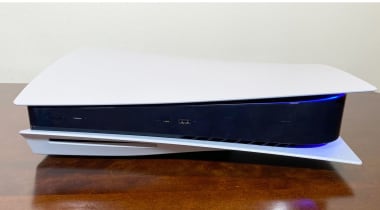
Security engineer Andy Nguyen, also known as TheFlow, has released ps5-linux on GitHub, a toolchain for booting Linux on PlayStation 5 Phat consoles running specific firmware versions. The project includes a Linux payload, a build script for a bootable Ubuntu 24.04 image, tools for SSD installation, and a fan/CPU/GPU control utility. The PS5 can run as a Linux desktop with access to CPU and GPU boost clocks, outputting video and audio at up to 4K 60Hz. This soft mod requires re-running the exploit each time to boot into Linux and offers an affordable alternative for Linux gamers.

Tom's Hardware
Open source package with 1 million monthly downloads stole user credentials

Open source package with 1 million monthly downloads stole user credentials

A widely used open source package with 1 million monthly downloads was compromised by threat actors exploiting a vulnerability in the developers’ account workflow, granting access to sensitive information. The malicious package, element-data 0.23.3, was distributed to users, collecting user credentials, API tokens, and more. Users who installed this version are advised to consider their credentials compromised. The attackers gained access through a GitHub action, allowing them to publish the malicious package. The developers swiftly removed the package, rotated credentials, and fixed the vulnerability.

Ars Technica
Commodore backs down over FPGA firmware lockdown — it won’t now try and block third-party firmware installs but will stand firm against bricked modded units

Commodore backs down over FPGA firmware lockdown — it won’t now try and block third-party firmware installs but will stand firm against bricked modded units

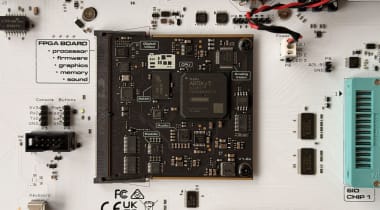
Commodore has reversed its decision to block third-party firmware installs on the C64 Ultimate computer, allowing users to experiment freely. However, the company will not provide support or replacements for modded units that become bricked. The initial plan to restrict non-Commodore FPGA firmware caused a divide among fans, leading to heated discussions on social media and forums. Commodore now emphasizes user freedom but warns that using community-installed firmware is at the owner's risk, with no free support or warranty service provided for damaged units.

Tom's Hardware
Intel shutters open-source evangelism program and archives key community projects — closures point to significant shift in open-source leadership

Intel shutters open-source evangelism program and archives key community projects — closures point to significant shift in open-source leadership

Intel has closed its Open Ecosystem Community and Evangelism initiative, signaling a shift away from its open-source advocacy role. The move is part of a broader trend of discontinuing internal open-source efforts amid restructuring. The company has archived key projects on GitHub, including AI, infrastructure, and developer tools, due to limited activity and maintenance challenges. This shift reflects Intel's evolving open-source strategy towards a more selective, product-focused approach, impacting developer engagement and platform visibility. The company's move away from broad ecosystem cultivation may have long-term implications for its open-source posture.

Tom's Hardware
You can now run Linux on your ancient Windows 95 desktop with a new tool — very old Windows PCs, back to Intel 486, can cooperatively run very modern Linux kernels with WSL9x

You can now run Linux on your ancient Windows 95 desktop with a new tool — very old Windows PCs, back to Intel 486, can cooperatively run very modern Linux kernels with WSL9x

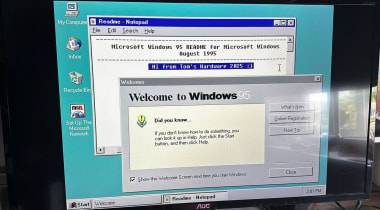
A new tool called WSL9x allows ancient Windows 95 desktops, even those with Intel 486 CPUs, to run modern Linux kernels cooperatively with Windows. The tool, shared by a computer tinkerer on Codeberg, enables users to run Windows and Linux apps side-by-side with a modern Linux kernel within early Windows versions. WSL9x consists of a patched Linux kernel, a VxD driver, and wsl.com, and does not require hardware virtualization. Users can enjoy the capabilities of both operating systems simultaneously without the need for reboots. In contrast, Linux is phasing out support for the 37-year-old Intel 486 CPU, with a patch expected to be merged into Linux 7.1, signaling the end of i486 kernel image builds.

Tom's Hardware
Microsoft issues emergency update for macOS and Linux ASP.NET threat

Microsoft issues emergency update for macOS and Linux ASP.NET threat

Microsoft has issued an emergency update for its ASP.NET Core to address a critical vulnerability (CVE-2026-40372) affecting versions 10.0.0 through 10.0.6 of the Microsoft.AspNetCore.DataProtection NuGet package on macOS and Linux. The flaw allows unauthenticated attackers to gain SYSTEM privileges by forging authentication payloads during the HMAC validation process. Even after patching, devices may still be at risk if forged credentials created by threat actors are not removed. ASP.NET Core is a high-performance web development framework for creating .Net apps on various platforms, including Windows, macOS, Linux, and Docker.

Ars Technica
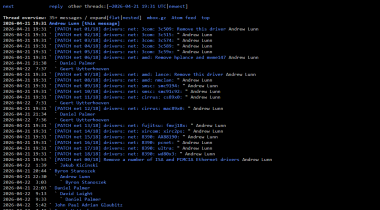
Linux may be ending support for older network drivers due to influx of false AI-generated bug reports — maintenance has become too burdensome for old largely-unused systems

Linux may be ending support for older network drivers due to influx of false AI-generated bug reports — maintenance has become too burdensome for old largely-unused systems

The Linux kernel community is considering removing legacy network drivers from the mainline source code due to an overwhelming number of false bug reports generated by AI tools. Maintaining support for old, rarely-used hardware has become unsustainable as the influx of low-quality reports consumes developers' time. The proposal aims to eliminate outdated drivers from various hardware families, potentially removing 27,646 lines of code. While users could still restore these drivers individually, the change would reduce the default maintenance burden on legacy systems.

Tom's Hardware
Framework’s overhauled Laptop 13 Pro brings a redesigned chassis — Intel Core Ultra Series 3 system aims to be a 'MacBook Pro for Linux users'

Framework’s overhauled Laptop 13 Pro brings a redesigned chassis — Intel Core Ultra Series 3 system aims to be a 'MacBook Pro for Linux users'

The Framework Laptop 13 Pro, recently unveiled, features a redesigned chassis with a CNC-aluminum build, a first-ever fully-custom display with touchscreen capability, a haptic touchpad, and a larger 74 WHr battery. It is equipped with Intel Core Ultra Series 3 processors for improved efficiency and longer battery life. The laptop supports PCIe 5.0 and Wi-Fi 7, offering enhanced connectivity options. Framework plans to ship the Laptop 13 Pro in June, with DIY editions starting at $1,199 and pre-built configurations at $1,499. Additionally, the company is introducing new products like a laptop sleeve, a keyboard with a built-in touchpad, and a 10 GBps Expansion Card for faster networking.

Tom's Hardware
Linux 7.1 update includes new in-kernel NTFS driver — delivers storage support upgrade for Linux users

Linux 7.1 update includes new in-kernel NTFS driver — delivers storage support upgrade for Linux users

Linux 7.1 introduces a new in-kernel NTFS driver that significantly enhances storage support for Linux users, treating Microsoft's filesystem as a native component rather than a secondary option. This update marks a departure from previous solutions like FUSE drivers, offering faster, more reliable, and fully integrated NTFS support within the kernel. The new driver, developed by Namjae Jeon, promises improved performance compared to existing options like NTFS-3G and NTFS3, with enhanced read/write operations, memory management, and write efficiency. While the new driver may initially face some stability challenges with less common NTFS features, it represents a significant step towards seamless compatibility between Linux and Windows systems.

Tom's Hardware
Engineer open-sources DIY radar system that's 95% cheaper than $250,000 commercial offerings, has 20 kilometer range — Moroccan engineer designs Aeris-10 radar, shares it on GitHub

Engineer open-sources DIY radar system that's 95% cheaper than $250,000 commercial offerings, has 20 kilometer range — Moroccan engineer designs Aeris-10 radar, shares it on GitHub

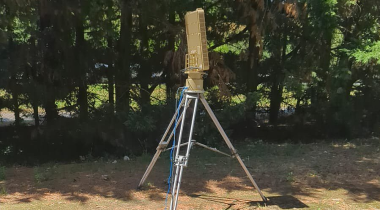
Moroccan engineer Nawfal Motii has developed the open-source Aeris-10 radar system, available on GitHub, which is a cost-effective alternative to commercial radar systems at just $5,000-$7,200. The radar has two variants, offering ranges of 3 km and 20 km, respectively, with advanced features like Moving Target Indicator and Doppler-effect estimation. The system uses an FPGA and microcontroller for processing and control, and allows for ±45° elevation/azimuth adjustments. Motii aims to release the project on the Crowed Supply platform in Q3 2026, providing an accessible DIY radar solution for enthusiasts with the necessary skills.

Tom's Hardware
Nvidia releases open AI models for quantum computing tasks — 'Ising' said to be 2.5x faster and 3x more accurate than existing tools for decoding

Nvidia releases open AI models for quantum computing tasks — 'Ising' said to be 2.5x faster and 3x more accurate than existing tools for decoding

Nvidia has unveiled Ising, a set of open-source AI models tailored for quantum processor calibration and real-time error correction decoding. These models aim to address key challenges in quantum computing, such as calibration and decoding bottlenecks. Ising Calibration, a vision-language model, reduces calibration time significantly, while the Ising Decoding family offers faster and more accurate decoding for quantum error correction. Nvidia's Ising models have shown significant improvements over existing tools, attracting adopters like Fermilab, Harvard, and IonQ. Despite being open-source, Ising relies on Nvidia's proprietary software stack for optimal performance.

Tom's Hardware
Website backup crippled by 1.6MB Friends GIF that was replicated 246,173 times, breaking Linux's EXT4 filesystem limit — Jennifer Aniston's 'happy dance' animation ate up 377 gigabytes of data due to security policy

Website backup crippled by 1.6MB Friends GIF that was replicated 246,173 times, breaking Linux's EXT4 filesystem limit — Jennifer Aniston's 'happy dance' animation ate up 377 gigabytes of data due to security policy

A single 1.6MB Friends GIF of Jennifer Aniston's 'happy dance' was replicated 246,173 times on a Discourse site, causing a backup bloat of 377GB and breaking the Linux EXT4 filesystem limit. The issue stemmed from an overuse of the GIF and a file security policy, which created multiple copies of the same file due to context changes. Discourse attempted fixes by tracking original content hashes and creating hardlinks, but faced challenges with the ext4 limit. Ultimately, a new fix was implemented to handle excessive duplicates more efficiently, ensuring smoother backup processes in the future.

Tom's Hardware
Linux lays down the law on AI-generated code, says yes to Copilot, no to AI slop, and humans take the fall for mistakes — after months of fierce debate, Torvalds and maintainers come to an agreement

Linux lays down the law on AI-generated code, says yes to Copilot, no to AI slop, and humans take the fall for mistakes — after months of fierce debate, Torvalds and maintainers come to an agreement

The Linux kernel project has established a new policy allowing AI-assisted code contributions with strict disclosure rules, requiring a new "Assisted-by" tag for transparency instead of the "Signed-off-by" tag. This move comes after a debate over AI tools' policing, with Linus Torvalds emphasizing that AI is just another tool and focusing on holding human developers accountable for code quality and security flaws. The policy aims to legally anchor AI-generated code onto human developers, addressing concerns about undisclosed AI assistance and the volume of "AI slop" flooding the open-source world. The Linux kernel's pragmatic approach acknowledges the reality of developers using AI tools while emphasizing human liability for code quality.

Tom's Hardware
Linux 7.0 enables three new AI-specific keys for keyboards, an apparent expansion beyond the Copilot key — Google authors both the HID spec and the kernel patch

Linux 7.0 enables three new AI-specific keys for keyboards, an apparent expansion beyond the Copilot key — Google authors both the HID spec and the kernel patch

The Linux 7.0 kernel introduces three new AI-specific keycodes for laptops, expanding beyond the Microsoft Copilot key, with Google being the author of both the HID spec and the kernel patch. The new keycodes include KEY_ACTION_ON_SELECTION, KEY_CONTEXTUAL_INSERT, and KEY_CONTEXTUAL_QUERY, designed for in-context AI agent interactions. These keycodes are defined on the USB HID Application Launch usage page, allowing for direct mapping by operating systems. Google's involvement in this development is notable, especially as Microsoft initially drove the Copilot key push. The keycodes are agent-agnostic, giving OEMs flexibility in integrating them into upcoming laptops and PCs.

Tom's Hardware
Valve engineer shocks Linux community with game-changing VRAM hack for 8GB GPUs — breakthrough solution turbocharges gaming by prioritizing VRAM for games while background tasks take a back seat

Valve engineer shocks Linux community with game-changing VRAM hack for 8GB GPUs — breakthrough solution turbocharges gaming by prioritizing VRAM for games while background tasks take a back seat

Valve engineer Natalie Vock has introduced a groundbreaking VRAM optimization solution for Linux, enhancing gaming performance on 8GB GPUs by prioritizing VRAM for games over background tasks. This innovation addresses the challenge of running graphically intensive games smoothly on cards with limited memory. Vock's kernel patches and utilities ensure that foreground games have priority access to VRAM, preventing interruptions from background processes. The solution, including dmemcg-booster and plasma-foreground-booster components, optimizes VRAM usage and significantly boosts gaming performance, as demonstrated with Cyberpunk 2077 on an 8GB GPU. These patches are tailored for AMD GPUs and are on the path to integration into the main Linux kernel.

Tom's Hardware
French government say it's ditching Windows for Linux — country accelerates plans to ditch US-based software in digital sovereignty push

French government say it's ditching Windows for Linux — country accelerates plans to ditch US-based software in digital sovereignty push

France is accelerating its digital sovereignty plans by announcing its exit from Windows in favor of Linux for workstations. This move aims to eliminate U.S.-based commercial interests from government computers. The plan includes migrating to sovereign solutions and adopting open-source alternatives for collaborative tools. French Ministers emphasize reducing reliance on technologies controlled by outside interests to regain control of digital destiny. The decision to move to Linux could influence other EU countries and organizations, potentially impacting software and services businesses.

Tom's Hardware
Engineer installs 3.5-inch floppy drive in a Tesla — modern EV recognizes and runs ancient storage device, even plays an MP3 file from diskette

Engineer installs 3.5-inch floppy drive in a Tesla — modern EV recognizes and runs ancient storage device, even plays an MP3 file from diskette

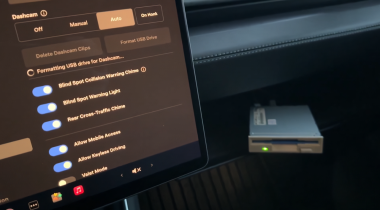
An engineer successfully installed a 3.5-inch floppy drive in a Tesla, playing an MP3 file from the diskette. The Tesla recognized the ancient storage device without requiring major modifications. The drive was connected via a USB to FDD converter, showcasing the Linux kernel's continued support for such subsystems. While floppy disks are now outdated, they remain significant for the retro community, with Linux receiving updated drivers to keep the drives operational.

Tom's Hardware
GitHub user creates open-source Nvidia GeForce Now client alternative — removes tracking, telemetry, and AFK limitations

GitHub user creates open-source Nvidia GeForce Now client alternative — removes tracking, telemetry, and AFK limitations

A GitHub user has developed an open-source alternative to Nvidia GeForce Now called OpenNOW, which removes tracking, telemetry, and AFK limitations. This client allows gamers to connect to Nvidia's cloud gaming service with added features not available on the original client. OpenNOW supports Linux natively and can stream games up to 4K@240 FPS, offering smoother gameplay. While it lacks some features like flight controls and Discord integration, it provides more privacy and customization options for users who prefer more control over their data.

Tom's Hardware
Linux devs start removing support for 37-year-old Intel 486 CPU — head honcho Linus Torvalds says 'zero real reason' to continue support

Linux devs start removing support for 37-year-old Intel 486 CPU — head honcho Linus Torvalds says 'zero real reason' to continue support

Linux developers have initiated the removal of support for the 37-year-old Intel 486 CPU from the upcoming Linux 7.1 kernel, following Linus Torvalds' statement that there is "zero real reason" to maintain support for the outdated processor. The move is not unexpected given the age of the 486 and the increasing resource demands of modern Linux distributions. Developer Ingo Molnar has introduced a patch signaling the end of support for the 486, with the changes expected to be finalized in Linux 7.1. Users still utilizing 486 systems are advised to switch to existing Linux LTS kernels or consider upgrading to more modern CPUs.

Tom's Hardware
Windows just saw a dramatic drop in OS market share on Steam as gamers move to Linux

Windows just saw a dramatic drop in OS market share on Steam as gamers move to Linux

The March 2026 Steam Hardware & Software Survey shows Linux surpassing a 5% market share on Steam for the first time, with SteamOS leading the way. Windows' market share dropped to 92.33%, with Windows 11 at 66.85% and Windows 10 losing almost 15%. While Windows remains dominant, some gamers are exploring Linux due to concerns about Windows 11's stability for gaming. With the rise of gaming-focused Linux distros and upcoming Linux-based Steam products, the shift to non-Windows platforms in PC gaming is gaining momentum.

TweakTown
Ubuntu Linux raises minimum system memory requirements by 50% — requirements bumped to 6GB of RAM, previously raised from 1GB to 4GB in 2018

Ubuntu Linux raises minimum system memory requirements by 50% — requirements bumped to 6GB of RAM, previously raised from 1GB to 4GB in 2018

Canonical has increased the minimum RAM requirement for Ubuntu Linux to 6GB in the latest LTS release, up from 4GB in 2018. The change is attributed to the demands of modern applications and multitasking workflows. While the OS will still install on systems with lower memory, performance may be impacted. Alternatives like Lubuntu, with lower system requirements, are available for users with older hardware.

Tom's Hardware
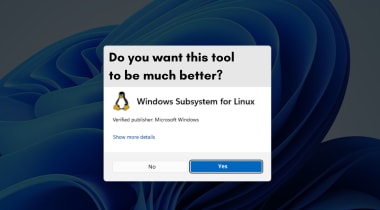
Microsoft to upgrade Windows Subsystem for Linux (WSL) with faster file access, better networking and easier setup

Microsoft to upgrade Windows Subsystem for Linux (WSL) with faster file access, better networking and easier setup

Microsoft is set to enhance the Windows Subsystem for Linux (WSL) in 2026 with improvements focused on faster file access, better networking, and easier setup. The upgrades aim to streamline the experience for developers who rely on WSL to run Linux tools on Windows, enhancing performance, reliability, and integration. Microsoft plans to improve file system performance, network compatibility, and setup processes to make WSL more user-friendly and efficient. Additionally, the company is addressing enterprise concerns by enhancing policy control, security, and management capabilities within WSL, aiming to strengthen Windows as a development platform against competitors like macOS and native Linux setups.

Windows Latest
Valve adds early Steam Machine support in SteamOS 3.8 — latest update brings performance gains, better controller support, and desktop improvements

Valve adds early Steam Machine support in SteamOS 3.8 — latest update brings performance gains, better controller support, and desktop improvements

Valve has released SteamOS 3.8.0 with early support for upcoming Steam Machine hardware, offering performance improvements, better controller support, and desktop enhancements. Users can opt-in for the update through Settings to access features like updated graphics drivers, Bluetooth headset mic usage, and enhanced screen recording tools compatibility. The update also includes reduced controller input latency, support for various devices, and desktop mode upgrades such as improved scaling and display options. System-level enhancements like a "Memory Power Down" option for battery life improvement and preliminary system hibernation support have been added, particularly beneficial for Steam Deck users.

Tom's Hardware
Opera GX finally arrives on Linux by popular demand — offers gamers and developers a highly customizable browser with advanced resource management

Opera GX finally arrives on Linux by popular demand — offers gamers and developers a highly customizable browser with advanced resource management

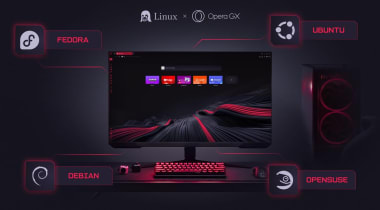
Opera GX, a browser tailored for gamers and developers, has been released for Linux due to high demand. The browser offers advanced resource management features like limiting CPU, RAM, and network usage, along with a sidebar for quick access to apps like Twitch and Discord. It also includes a built-in temporary files cleaner, screen-filter effects, and various customization options such as mods, extensions, themes, and visual effects. Opera GX prioritizes privacy with ad and tracker blockers, an optional VPN, and adherence to GDPR regulations. The browser is compatible with Debian, Ubuntu, Fedora, and openSUSE-based Linux distributions, with Flatpak support in the works.

Tom's Hardware
Enthusiast reverse engineers world’s smallest HDD to access data with help from an old Nokia N91 and OpenClaw — open source USB bridge unlocks 0.85-inch mechanical Toshiba drive from 2004

Enthusiast reverse engineers world’s smallest HDD to access data with help from an old Nokia N91 and OpenClaw — open source USB bridge unlocks 0.85-inch mechanical Toshiba drive from 2004

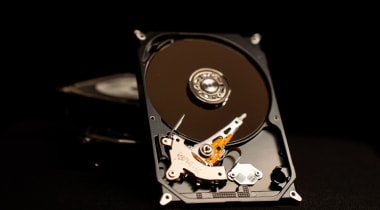
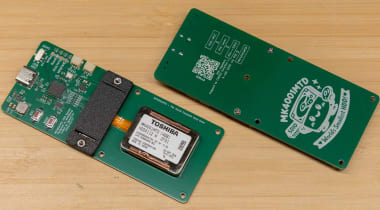
Maker Will Whang has developed an open-source MK4001MTD USB Bridge to access data from the world’s smallest mechanical hard drives, Toshiba's 0.85-inch MK4001MTD from 2004. Whang reverse-engineered the drive with the help of an old Nokia N91 and OpenClaw, an open-source USB bridge, to unlock the drive's data. By comparing drives and reader interface pads, Whang built a custom reader based on the USB2240 flash media controller chip, enabling the drive to be accessed as USB mass storage. Despite slow transfer speeds, Whang successfully accessed the drive's data and shared all source code and hardware design files on GitHub.

Tom's Hardware
Nvidia's Nemotron coalition brings eight AI labs together to build open frontier models

Nvidia's Nemotron coalition brings eight AI labs together to build open frontier models

Nvidia has introduced the Nemotron Coalition, comprising eight AI labs collaborating to develop open frontier models on NVIDIA DGX Cloud for the upcoming Nemotron 4 model family. The coalition's initial focus includes agentic AI, robotics, autonomous vehicles, and drug discovery. Notable members include Black Forest Labs, Cursor, and Thinking Machines Lab, founded by Mira Murati. Nvidia plans to open-source the models developed by the coalition. Additionally, new models like Nemotron 3 Ultra and Isaac GR00T N1.7 for robotics have been unveiled, with future releases like GR00T N2 expected by the end of 2026.

Tom's Hardware
Invisible malicious code attacks 151 GitHub repos and VS Code — Glassworm attack uses blockchain to steal tokens, credentials, and secrets

Invisible malicious code attacks 151 GitHub repos and VS Code — Glassworm attack uses blockchain to steal tokens, credentials, and secrets

Researchers at Aikido Security discovered that 151 GitHub repositories were infiltrated by Glassworm, a threat actor using invisible Unicode characters to hide malicious code. The attack, which started on March 3, has expanded to npm and the VS Code marketplace. The malicious code, when executed, can steal tokens, credentials, and secrets, with the payload using the Solana blockchain for command-and-control. Aikido advises caution when incorporating packages and suggests using automated tools to detect invisible Unicode injections.

Tom's Hardware
OpenClaw AI agent craze sweeps China as authorities seek to clamp down amid security fears  — adoption surges as state-run enterprises are barred from use

OpenClaw AI agent craze sweeps China as authorities seek to clamp down amid security fears — adoption surges as state-run enterprises are barred from use

The OpenClaw AI agent has gained immense popularity in China, with companies, individuals, and government entities rapidly adopting the open-source tool. This surge has led to a near cult-like following, prompting Chinese authorities to announce a crackdown due to security concerns and loss of control. OpenClaw simplifies integrating AI agents with existing software platforms through a messaging interface, leading to shortages of high-end Macs to run it. Major tech players like OpenAI and Nvidia are taking notice, with Nvidia developing its own version of the tool. The Chinese government is urging caution and implementing restrictions on the use of OpenClaw to mitigate security risks and maintain control over the technology.

Tom's Hardware
Nvidia reportedly building its own AI agent to compete with OpenClaw, report claims — ‘NemoClaw’ will supposedly be open source and designed for enterprise use

Nvidia reportedly building its own AI agent to compete with OpenClaw, report claims — ‘NemoClaw’ will supposedly be open source and designed for enterprise use

Nvidia is developing its own AI agent called "NemoClaw" to rival OpenClaw, aiming for enterprise use and emphasizing security and privacy. The open-source nature of NemoClaw allows for customization, and it has been offered to partners like Adobe and Google. The tool is designed to work on any hardware, not limited to Nvidia chips. While similar AI agents like Clawdbot have faced issues, Nvidia aims to avoid such pitfalls with NemoClaw, potentially targeting the corporate market early.

Tom's Hardware
Linux hacked onto a PS5 to turn Sony's console into a Steam Machine — GTA V Enhanced Edition runs at 60 FPS on 1440pwith ray tracing

Linux hacked onto a PS5 to turn Sony's console into a Steam Machine — GTA V Enhanced Edition runs at 60 FPS on 1440pwith ray tracing

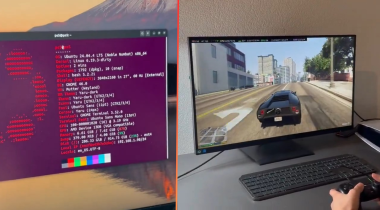
A security engineer successfully hacked Linux onto a PS5, essentially turning it into a PC capable of running GTA V Enhanced Edition at 60 FPS on 1440p with ray tracing. By exploiting older firmware and gaining kernel-level control, the engineer overcame Sony's hypervisor restrictions. While GPU acceleration is still a work in progress, the modded console demonstrates impressive performance and functionality, showcasing the potential for running a variety of applications. This project hints at the possibilities of upcoming Steam Machines, which will offer similar performance and run SteamOS based on Linux, providing a glimpse into a future where consoles can be more versatile computing devices.

Tom's Hardware
AMD VP uses AI to create Radeon Linux userland driver in Python — senior AI engineer says he "didn't open the editor once"

AMD VP uses AI to create Radeon Linux userland driver in Python — senior AI engineer says he "didn't open the editor once"

AMD's VP utilized AI to create a small experimental Radeon compute driver in Python, bypassing much of the typical software stack and communicating directly with the kernel driver. This project serves as a lightweight driver test harness for debugging and experimentation, allowing engineers to isolate bugs and test GPU features without the need for extensive C++ projects. While the Python code is not a replacement for production GPU drivers, it demonstrates the flexibility of AMD's Linux kernel interface for high-level scripting. The project hints at a potential bare-metal PCI backend for low-level testing but is unlikely to evolve into a fully functional Radeon driver for everyday Linux systems.

Tom's Hardware
OpenAI building GitHub alternative after frequent platform outages and disruptions — a public OpenAI code repository would directly compete with one of its biggest investors

OpenAI building GitHub alternative after frequent platform outages and disruptions — a public OpenAI code repository would directly compete with one of its biggest investors

OpenAI is in the process of creating its own code repository platform as an alternative to GitHub due to frequent outages on GitHub that hindered OpenAI engineers' work. The new platform is still in early development and may not be ready for months. OpenAI is considering offering access to this platform to customers, potentially competing directly with Microsoft, which owns GitHub and has a significant stake in OpenAI. GitHub has faced reliability issues following a migration to Microsoft Azure, with several outages attributed to Azure or configuration changes. If OpenAI commercializes its platform, it would challenge Microsoft in a new way, although losing OpenAI as a customer would have limited impact on GitHub given its large user base.

Tom's Hardware
Developer's 1994 Linux desktop recreation runs in your browser as a modern web app — open-source project brings old-school CDE interface back from the dead and features classic 90s web browser, text editor, and more

Developer's 1994 Linux desktop recreation runs in your browser as a modern web app — open-source project brings old-school CDE interface back from the dead and features classic 90s web browser, text editor, and more

A developer has recreated a 1994 Linux desktop environment, CDE, as a modern web app accessible through a browser. The open-source project faithfully replicates the classic 90s interface, complete with a web browser, text editor, and more. The project aims to provide an authentic mid-1990s Unix experience on any device, adapting to touch gestures on mobile and keyboard shortcuts on desktop. While the project visually and functionally resembles the original, some limitations exist, such as the Netscape browser only displaying a limited selection of '90s-style pages. Detailed documentation and customization options are available for users and developers interested in exploring this nostalgic recreation.

Tom's Hardware
Linux 7.0 launches with enablement for Intel Nova Lake, AMD Zen 6 — major kernel update expected in Ubuntu 26.04 LTS and Fedora 44 first

Linux 7.0 launches with enablement for Intel Nova Lake, AMD Zen 6 — major kernel update expected in Ubuntu 26.04 LTS and Fedora 44 first

Linux 7.0 has been released with significant updates, focusing on enabling upcoming AMD Zen 6 and Intel Nova Lake hardware. The kernel includes support for various new CPUs, such as Nova Lake, Diamond Rapids, and Zen 6 chips, as well as improvements like Intel TSX auto mode for enhanced performance. Ubuntu 26.04 LTS and Fedora 44 are expected to be among the first distributions to adopt Linux 7.0. Additionally, the update brings support for future AMD graphics hardware, Nova Lake display support, and various bug fixes and optimizations for file systems like F2FS, exFAT, and EXT4.

Tom's Hardware
Creator of Window's Task Manager shows off 'probably what Task Manager would look like if I were still around' — Tempest AI's retro-futuristic dashboard code shared to Github

Creator of Window's Task Manager shows off 'probably what Task Manager would look like if I were still around' — Tempest AI's retro-futuristic dashboard code shared to Github

Dave Plummer, creator of the original Task Manager, has designed a retro-futuristic dashboard for his AI project inspired by the old Atari game Tempest. He shared the dashboard on X, envisioning how Task Manager might look if he were still at Microsoft. The dashboard, available on Plummer's GitHub, features a unique aesthetic with RGB elements and a distinctive soundtrack. While the design is a fun "what-if" scenario for Windows enthusiasts, it does not function as a performance monitor like the traditional Task Manager. Plummer noted that the dashboard consumes a significant amount of GPU resources when running.

Tom's Hardware
Weathr app turns the Linux terminal into a live weather display — background ASCII animated real-time weather show is powered by Open-Meteo

Weathr app turns the Linux terminal into a live weather display — background ASCII animated real-time weather show is powered by Open-Meteo

A new app called Weathr transforms the Linux terminal into a live weather display with real-time ASCII art animations powered by Open-Meteo. Developer Veirt created this Rust-based app that shows weather conditions like rain, snow, thunderstorms, and day/night cycles in the terminal background. To use Weathr, users need to have Rust installed and can follow a setup guide provided by Veirt. The app is available on GitHub under the GPLv3 license and has plans for future updates including support for other weather APIs and additional animations like Santa Claus or fireworks.

Tom's Hardware
Linux kernel 7.0 finally abandons the 28-year-old Intel 440BX chipset — driver removal marks goodbye to the legendary motherboard chipset

Linux kernel 7.0 finally abandons the 28-year-old Intel 440BX chipset — driver removal marks goodbye to the legendary motherboard chipset

The upcoming Linux kernel 7.0 is bidding farewell to the long-standing Intel 440BX chipset by removing its EDAC driver, which has been non-functional since 2007 due to compatibility issues with the Intel AGP driver. The 440BX chipset was renowned for its stability, compatibility, and overclocking capabilities, becoming a favorite among tech enthusiasts and server builds. Despite its age, the chipset's significance is highlighted by VMware's continued use of it as the default chipset for virtualization software. The removal of 440BX support marks the end of an era in tech history, signaling the evolution and advancement of hardware technologies.

Tom's Hardware
Linux Mint team considers longer gaps between releases in attempt to accelerate development efforts — current six-month cycle means ‘we spend more time testing, fixing, and releasing than developing’

Linux Mint team considers longer gaps between releases in attempt to accelerate development efforts — current six-month cycle means ‘we spend more time testing, fixing, and releasing than developing’

The Linux Mint team is considering extending the time between releases to focus more on development rather than testing and fixing. This shift from the current six-month cycle aims to allow for more ambitious developments and reduce the administrative burden of frequent releases. While no new schedule has been proposed yet, the potential change could strengthen Mint's reputation for stability and independence. Users are encouraged to stay tuned for further details on the extended development cycle.

Tom's Hardware
Torvalds confirms Linux Kernel 7.0 is almost ready for release, bringing many performance improvements with it — desktop use and gaming may see boost, Ubuntu 26.04 LTS hopes to use as default Kernel

Torvalds confirms Linux Kernel 7.0 is almost ready for release, bringing many performance improvements with it — desktop use and gaming may see boost, Ubuntu 26.04 LTS hopes to use as default Kernel

Linux Kernel Version 7.0 is on the verge of release, bringing significant performance enhancements that could benefit desktop users and gamers. Notable improvements include the TIP Time Slice Extension, which allows critical applications to request temporary time extensions to prevent interruptions by the kernel scheduler. Additionally, the new "sheaves" memory handling mechanism could reduce latency spikes during CPU-intensive tasks. Ubuntu 26.04 LTS aims to adopt this new kernel as the default, with other distributions like Fedora 44 and gaming-focused ChimeraOS following suit shortly after.

Tom's Hardware
Thermalright's LCD software for Windows ported to Linux — enthsuiast's full-fledged port supports a ton of models and enables RGB and LCD customization

Thermalright's LCD software for Windows ported to Linux — enthsuiast's full-fledged port supports a ton of models and enables RGB and LCD customization

A Redditor has successfully ported Thermalright's LCD control software from Windows to Linux, offering support for various Thermalright coolers and enabling RGB and LCD customization. The Linux version, available on GitHub, mirrors the Windows GUI and allows for theme customization and hardware information overlay on supported devices. This initiative addresses the lack of Linux support for internal PC components, a common issue for Linux users. While not officially supported by Thermalright, this Linux version eliminates the need for a secondary Windows installation to control Thermalright coolers on Linux systems.

Tom's Hardware
GeForce Now launches on Linux with a Flatpak build — native app brings 5K and 360FPS support to Linux gamers

GeForce Now launches on Linux with a Flatpak build — native app brings 5K and 360FPS support to Linux gamers

Nvidia's GeForce Now cloud gaming service now has a native Linux app using a Flatpak installer, offering enhanced performance and features for Linux gamers. The app supports Ubuntu 24.04 LTS or newer but can run on other Linux distros. It provides higher resolution options like 5K and frame rates up to 360FPS, with Reflex enablement. Users need a GPU supporting H.264 or H.265 video decoding, with specific driver recommendations for Nvidia, Intel, and Radeon users. The app is not available on Flathub and must be downloaded from Nvidia's official site, making Linux the seventh platform to have native GeForce Now integration.

Tom's Hardware
Windows 11 haters get excited as GOG says 'Linux is the next major frontier' for Galaxy client

Windows 11 haters get excited as GOG says 'Linux is the next major frontier' for Galaxy client

GOG's Galaxy client is looking to expand to Linux, exciting Windows 11 critics. The move to support Linux is seen as a major step for the gaming platform. This decision could potentially attract more users who prefer Linux over Windows. GOG's focus on Linux reflects the growing popularity and demand for gaming on the open-source operating system.

TweakTown
After 34 years, the Linux kernel community finally has a contingency plan to replace Linus Torvalds — formal plan drawn up now community is 'getting grey and old'

After 34 years, the Linux kernel community finally has a contingency plan to replace Linus Torvalds — formal plan drawn up now community is 'getting grey and old'

The Linux kernel community has developed a contingency plan to replace Linus Torvalds, the creator and lead maintainer of the kernel for 34 years. The plan outlines a process to select a new Organizer from the community in case Torvalds retires or is unable to continue. The Organizer will engage with recent Maintainers Summit invitees to determine a successor within two weeks. Despite Torvalds not showing any intention to step down, the plan aims to address concerns about succession and ensure the continuity of the Linux kernel leadership. The plan reflects the community's maturity and readiness for a potential transition in leadership.

Tom's Hardware
Dev creates astrology-powered CPU scheduler for Linux, makes decisions based on planetary positions and zodiac signs — sched_ext framework informed by lunar phases, cosmic weather reports, and dynamic time slicing

Dev creates astrology-powered CPU scheduler for Linux, makes decisions based on planetary positions and zodiac signs — sched_ext framework informed by lunar phases, cosmic weather reports, and dynamic time slicing

A software engineer has developed a Linux CPU scheduler called scx_horoscope that uses astrology to make scheduling decisions based on planetary positions and zodiac signs. This scheduler is built on the sched_ext framework, which allows for custom Linux schedulers without kernel patching. While the concept may seem whimsical, it showcases the flexibility of sched_ext. The scheduler considers complex astrological factors to balance CPU, networking, system, and memory tasks. Although not recommended for production systems, the project is licensed under GPL-2.0 and is open for contributions to add more "cosmic chaos."

Tom's Hardware
Open-source Intel 486 mobo built from scratch in under 6 months for i486 chips — M8SBC-486's goal was to achieve Linux and Doom compatibility, but it achieves far more than that

Open-source Intel 486 mobo built from scratch in under 6 months for i486 chips — M8SBC-486's goal was to achieve Linux and Doom compatibility, but it achieves far more than that

A programming and electronics enthusiast created an open-source Intel 486 motherboard, the M8SBC-486, in under six months, aiming for Linux and Doom compatibility but achieving more. The project, led by Maniek86, also supports DOS, Windows 3.1, and games like Prince of Persia and Wolfenstein 3D. The board features a custom FPGA chipset, lacks non-essential functions like the secondary PIC and DMA, and has potential for further development by the community. Despite some limitations with ISA slots, the project's open-source nature invites contributions for future enhancements and custom board designs.

Tom's Hardware
Developer patches Wine to make Photoshop 2021 & 2025 run on Linux — Adobe Creative Cloud installers finally work thanks to HTML, JavaScript and XML fixes

Developer patches Wine to make Photoshop 2021 & 2025 run on Linux — Adobe Creative Cloud installers finally work thanks to HTML, JavaScript and XML fixes

A developer has created patches for Wine that allow Photoshop 2021 and 2025, previously incompatible with Linux, to run on the platform. By addressing compatibility issues related to Windows subsystems, the patches enable Adobe Creative Cloud installers to function on Linux through HTML, JavaScript, and XML fixes. The developer's modifications ensure that Wine can emulate Internet Explorer 9's behavior, facilitating the successful installation and operation of the Adobe applications on Linux systems. While the patches were initially rejected by Valve's Wine repository, they represent a significant step towards broader Adobe CC compatibility on Linux, potentially opening the door for other Adobe apps to run natively on the platform.

Tom's Hardware
Never-before-seen Linux malware is “far more advanced than typical”

Never-before-seen Linux malware is “far more advanced than typical”

Researchers have identified a new Linux malware framework called VoidLink, featuring over 30 modules that offer advanced capabilities for attackers, including stealth, reconnaissance, privilege escalation, and lateral movement within networks. VoidLink is designed to target machines in popular cloud services like AWS, GCP, Azure, Alibaba, and Tencent, with plans to expand to other services. This sophisticated malware indicates a shift in attackers' focus towards Linux systems, cloud infrastructure, and application deployment environments, posing a significant threat to organizations. Checkpoint researchers describe VoidLink as a comprehensive ecosystem for maintaining long-term access to compromised Linux systems, emphasizing the need for heightened defense measures against such advanced threats.

Ars Technica

We use cookies

We use cookies to ensure you get the best experience on our website. For more information on how we use cookies, please see our cookie policy.