Technology
VERVE Probe Would Investigate Venus for Signs of Life
Source
IEEE Spectrum
Published
Source
Published
The article discusses the ongoing debate surrounding the increase in synthetic turf installations in the US, raising concerns about microplastics and environmental pollution. It also delves into the exponential growth of AI, with experts highlighting advancements in technology driving progress in AI development. Additionally, the piece touches on Meta launching an AI model from its Superintelligence Labs and the importance of desalination technology in water-stressed regions.
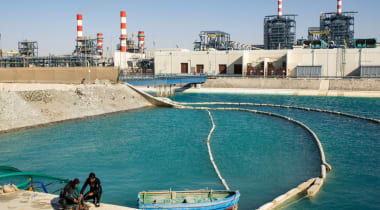
Desalination plants in the Middle East, particularly in the Gulf states, are facing increased vulnerability due to conflict and extreme weather events. Recent attacks and threats have highlighted the critical role of desalination technology in providing fresh water for various purposes in the region. The escalating threats, including potential attacks on desalination plants and other civilian infrastructure, pose significant risks to water supply security. With the Middle East already experiencing high water stress levels, the importance of enhancing resilience and cooperation among countries in the region to protect critical water infrastructure is emphasized. Additionally, efforts to transition desalination facilities to more sustainable energy sources like solar power and improve strategic water storage are seen as crucial steps to mitigate risks and ensure water supply reliability in the future.

Starlink has decided to lower the altitude of more than 4,000 satellites from 550 km to 480 km after a near-miss incident with a Chinese satellite. This move aims to increase space safety and reduce collision risks as the number of satellites in orbit grows. While the altitude reduction may require more fuel for maintenance, it could prevent premature re-entry into the Earth's atmosphere. With plans to expand its fleet to 34,400 satellites, Starlink is among several companies looking to populate low-earth orbit with thousands of satellites, potentially leading to a crowded space environment.

A Redditor purchased an MSI Suprim RTX 5090 for $3,000 from Amazon Resale but received rocks and a towel instead. The GPU had likely been swapped by a previous buyer who returned it, fooling Amazon with a resealed box. This incident highlights the risks of buying open-box items and the need for thorough inspections before resale. The victim plans to return the package to Amazon for a refund, similar to a previous case where a brick was received instead of an RTX 5080.
We use cookies to ensure you get the best experience on our website. For more information on how we use cookies, please see our cookie policy.