Back to home
Technology

TSMC reduces peak power consumption of EUV tools by 44% — company to save 190 million kilowatt-hours of electricity by 2030

Source

Tom's Hardware

Published

TL;DR

AI Generated

TSMC has launched the EUV Dynamic Energy Saving Program to reduce the power consumption of its EUV lithography tools, aiming to save 190 million kilowatt-hours of electricity and cut carbon emissions by 101 kilotons by 2030. The program, which involves adaptive power scaling based on real-time operational status, has already reduced peak power consumption by 44%. TSMC plans to implement this program across all its EUV tools globally and in future fab installations. Despite the significant energy savings, it represents only a small portion of TSMC's overall power consumption, with most power being consumed by supporting systems.

Read Full Article

Similar Articles

More details emerge about how Intel now earns more revenue from each wafer by looking to the edges — analyst reports say reduced yield variability across each wafer leads to more sellable CPUs

More details emerge about how Intel now earns more revenue from each wafer by looking to the edges — analyst reports say reduced yield variability across each wafer leads to more sellable CPUs

Intel has seen improved revenue per wafer by reducing yield variability across each wafer, resulting in more sellable CPUs. The company's focus on tightening yield distribution across the wafer edges has led to increased margins and productivity. By implementing edge-specific process correction methods, Intel can extract more high-quality and sellable dies from a single wafer. These improvements are node-independent and have been attributed to disciplined execution improvements under new manufacturing leadership. Intel's efforts have led to better output and demand for CPUs, with even lower-quality chips now being sold as viable products.

Tom's Hardware
Inventor showcases 3D printer filament dryer that mines Bitcoins and dries filament with waste heat, capable of 6 TH/s at 140W — joins Bitcoin-mining 3D printer in hobbyist-focused miner lineup

Inventor showcases 3D printer filament dryer that mines Bitcoins and dries filament with waste heat, capable of 6 TH/s at 140W — joins Bitcoin-mining 3D printer in hobbyist-focused miner lineup

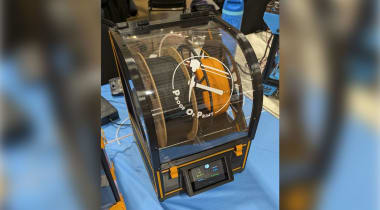
An inventor has created a filament dryer that not only dries filament for 3D printing but also mines Bitcoins, utilizing waste heat from the process. This new prototype is capable of 6 TH/s at 140W and is part of a lineup of hobbyist-focused mining devices. The filament dryer helps prevent common printing issues caused by moisture absorption and offers a proactive solution for maintaining filament quality. It is likely that this new device shares underlying technology with the inventor's previous 3D printer that also doubled as a Bitcoin miner, hinting at further scalability and innovation in this unique niche market.

Tom's Hardware
Is carbon removal in trouble?

Is carbon removal in trouble?

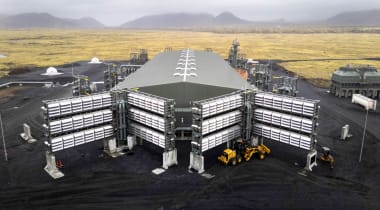
Microsoft, a major player in the carbon removal market, has reportedly paused its carbon removal purchases, causing concern in the industry. Carbon removal technologies aim to extract carbon dioxide from the atmosphere for permanent storage. Microsoft, which aims to become carbon-negative by 2030, has been a significant buyer of carbon removal contracts. The company's decision to pause purchases may impact the industry's growth and reliance on corporate support. Industry experts suggest that government mandates and policies are needed to ensure the scalability of carbon removal efforts.

MIT Technology Review

The quest to measure our relationship with nature

The United Nations is working on a Nature Relationship Index (NRI) to measure how well countries interact with the natural world. The NRI aims to shift the narrative from humans being destroyers of nature to fostering a green, abundant world. The index will assess three key questions: whether nature is thriving and accessible, if it is being used with care, and if it is safeguarded. The NRI will debut alongside the 2026 Human Development Report, encouraging countries to compete and improve their scores. The goal is to engage people's hopes and dreams for a better relationship with nature.

MIT Technology Review

We use cookies

We use cookies to ensure you get the best experience on our website. For more information on how we use cookies, please see our cookie policy.