Back to home
Technology

Laptops create systems. Phones feed algorithms. The asymmetry determines power

Source

Hacker News

Published

TL;DR

AI Generated

The article discusses how the choice of device, such as laptops for creation and phones for consumption, influences power dynamics in technology. It highlights how creation devices offer agency and control, while consumption devices provide ease and convenience. The asymmetry between device types shapes power structures and influences how users interact with digital systems. The article emphasizes intentional device selection as a strategic decision and explores the impact of device choice on power relationships and workflow efficiency. It also touches on the surveillance layer present in consumption devices and the importance of recognizing and consciously navigating device interfaces.

Read Full Article

Similar Articles

Microsoft brings a Linux-style window trick to Windows 11 via PowerToys, and I can’t go back

Microsoft brings a Linux-style window trick to Windows 11 via PowerToys, and I can’t go back

Microsoft's PowerToys introduces new features Grab And Move and Power Display in its latest v0.99 release for Windows 11, enhancing window management and display settings. Grab And Move allows users to move and resize windows from any part of the window, similar to Linux desktop environments. Power Display provides a convenient interface to control display settings like brightness and volume across multiple monitors. These features streamline tasks that should have been default in Windows, showcasing Microsoft's focus on improving core OS functionalities. Additionally, Command Palette Dock now offers a compact mode for better screen real estate utilization.

Windows Latest
WEBINAR: Intrinsic Techniques in RF Power Amplifier Design

WEBINAR: Intrinsic Techniques in RF Power Amplifier Design

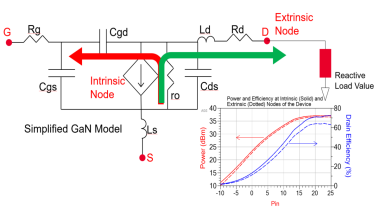
The webinar discusses intrinsic techniques in RF power amplifier design, focusing on load-pull techniques and simulation-based GaN PA design. The session explores a Class J PA design with an intrinsic-node model and waveform engineering for efficiency. The presentation delves into the history of intrinsic modeling, analyzing the differences in efficiency between extrinsic and intrinsic analyses. Keysight's experts provide insights into RF power amplifier design, emphasizing the importance of efficiency and power dissipation in PA designs using GaN technology. The webinar series offers valuable information on extrinsic load-pull and intrinsic load-line analysis techniques with ADS for those interested in RF power amplifier design.

SemiWiki
Analog Bits Demos Real-Time On-Chip Power Sensing and Delivery on N2P at the TSMC 2026 Technology Symposium

Analog Bits Demos Real-Time On-Chip Power Sensing and Delivery on N2P at the TSMC 2026 Technology Symposium

Analog Bits showcased real-time on-chip power sensing and delivery IP on TSMC's N2P process at the TSMC 2026 Technology Symposium. The company addresses power density challenges in AI and HPC systems by leveraging advanced processes and architectural optimizations. The demos include features like LDO for improved power efficiency, droop detector for security, glitch catcher for reliability, and low power PLLs for various applications. These new IPs aim to enhance PPA optimization and on-chip power management for advanced SoCs. CEO Mahesh Tirupattur highlighted the benefits of their integrated on-die LDO and real-time power observability for quick corrective actions.

SemiWiki
Voyager 1 gets emergency instrument shutdown to solve escalating power crisis and give it ‘about a year of breathing room’ — interstellar spacecraft's nuclear power source is dying, leading to intensifying countermeasures

Voyager 1 gets emergency instrument shutdown to solve escalating power crisis and give it ‘about a year of breathing room’ — interstellar spacecraft's nuclear power source is dying, leading to intensifying countermeasures

NASA's Voyager 1 spacecraft faces a power crisis as its nuclear power source dwindles, prompting an emergency shutdown of the Low-energy Charged Particles experiment to conserve power. The aging radioisotope thermoelectric generator (RTG) onboard is losing power annually, with estimates suggesting it has around 57% of its original capacity left. To extend Voyager 1's mission, engineers are planning an energy-efficient upgrade called "the Big Bang" that involves replacing power-hungry devices with lower-power alternatives. If successful, this fix could potentially allow Voyager 1 to continue its mission beyond its expected retirement date.

Tom's Hardware

We use cookies

We use cookies to ensure you get the best experience on our website. For more information on how we use cookies, please see our cookie policy.