Back to home
Technology

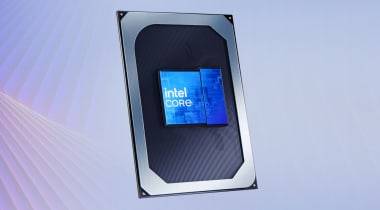
Intel Core Ultra 250K Plus vs AMD Ryzen 5 9600X faceoff — battle for the best $200 CPU

Source

Tom's Hardware

Published

TL;DR

AI Generated

The article compares Intel's Core Ultra 5 250K Plus with AMD's Ryzen 5 9600X in the $200 CPU segment. The Intel chip, part of the Arrow Lake refresh lineup, offers 18 cores, higher clock speeds, and faster DDR5 memory support, making it a strong contender for gaming and productivity tasks. On the other hand, the AMD Ryzen 5 9600X, based on Zen 5 architecture, features fewer cores but competitive clock speeds and lower power consumption. In gaming benchmarks, both CPUs perform well, with the Intel chip slightly edging out in FPS in most games. In productivity benchmarks, the Intel Core Ultra 5 250K Plus outperforms the AMD Ryzen 5 9600X significantly in multithreaded tasks. When it comes to overclocking, the Intel chip offers more flexibility and better performance gains, while the AMD chip leans towards smart tuning features like Precision Boost Overdrive. Overall, the Intel Core Ultra 5 250K Plus emerges as the winner due to its superior performance in both gaming and productivity workloads.
Read Full Article

Similar Articles

Where to buy AMD's Ryzen 9 9950X3D2 — more L3 cache and dual 3D V-cache-stacked CCDs

Where to buy AMD's Ryzen 9 9950X3D2 — more L3 cache and dual 3D V-cache-stacked CCDs

The new AMD Ryzen 9 9950X3D2 processor is now available for purchase at various retailers for $899. It is designed for high-end tasks like Blender, 3D rendering, and content creation, with gaming performance similar to the 9800X3D. The 9950X3D2 features 3D V-cache technology, a larger L3 cache of 192MB, dual CCDs with stacked V-cache, and a 16-core, 32-thread setup with a 200W TDP. Despite its higher price compared to the 9950X3D, stock availability is not expected to be an issue. The processor excels in multi-threaded performance and is a solid choice for demanding tasks.

Tom's Hardware
AMD SDK suggests 4x and 6x frame generation multipliers are in the works — driver-level tweak will let gamers upgrade existing titles to FSR4 ML-based frame generation

AMD SDK suggests 4x and 6x frame generation multipliers are in the works — driver-level tweak will let gamers upgrade existing titles to FSR4 ML-based frame generation

The latest AMD SDK update hints at upcoming 4x and 6x frame generation multipliers for FSR4 ML-based frame generation. A driver-level tweak will allow gamers to enhance existing titles with FSR4's AI-based frame generation. This feature will provide smoother gameplay and improved visual quality, especially beneficial for users with lower-end AMD graphics cards. The addition of higher frame generation ratios aims to bring AMD closer to its competitors like Nvidia and Intel in terms of performance and feature parity. The SDK update suggests that these enhancements may be available soon, offering gamers more flexibility and optimization options.

Tom's Hardware
Is Intel About to Take Flight?

Is Intel About to Take Flight?

Elon Musk's order for Terafab chips from Intel Foundry highlights the supply constraints in the industry, with TSMC and Samsung already committed. Intel's partnership with Musk could be a strategic move to meet the demand for AI, robotics, and space-related chips. The article draws parallels between this collaboration and Pan Am's order of the Boeing 747, emphasizing the importance of audacity and foresight in shaping the tech industry. While Intel has the capacity and expertise to support Musk's vision, questions remain about execution timelines and yield ramp expectations. The article underscores the critical role of process engineering expertise in semiconductor manufacturing and the potential impact of AI talent migration on the industry's supply chain.

SemiWiki
AMD Ryzen 9 9950X3D2 review: More cache, more cash

AMD Ryzen 9 9950X3D2 review: More cache, more cash

The AMD Ryzen 9 9950X3D2 Dual Edition CPU is the first to stack cache on both CCDs, offering 192 MB of L3 cache. Priced at $899, it's AMD's most expensive consumer CPU, bridging the gap between consumer and HEDT ranges. While it excels in specialized workloads like rendering and encoding, its gaming performance is not significantly better than lower-priced models. The additional cache reduces latency and enhances performance in data science tasks, with a 25% performance increase in specialized workloads. The CPU's higher thermal and power demands are balanced by its ability to maintain a high-end thermal design and support overclocking.

Tom's Hardware

We use cookies

We use cookies to ensure you get the best experience on our website. For more information on how we use cookies, please see our cookie policy.