Technology
How ARM is working its way into PCs and data centers — inside the products and trends behind the hype
Source
Tom's Hardware
Published
Source
Published

Maine Governor Janet Mills vetoed a bill that would have banned new data center projects exceeding 20MW until 2027, citing concerns about their environmental impact and electricity rates. She supported the moratorium but wanted an exemption for a data center in Jay due to its positive local impact. Despite the veto, the legislature may override it, potentially affecting Mills' political standing. She plans to create a council to study data center impacts and signed a bill preventing them from accessing tax incentives. Residents' opposition to data centers due to increased costs and power quality issues is growing.

Intel is experiencing a surge in demand for server CPUs due to the increasing requirements for AI workloads, particularly in inference tasks. This shift has led to shortages and price hikes, with server CPU prices rising by up to 20% since March. The company is redirecting production from consumer chips to Xeon to meet the growing demand for data center chips. The ratio of CPUs to GPUs in data centers is expected to reach parity as AI workloads evolve, driving the need for more powerful CPUs. Intel anticipates further price increases in the second half of 2026 as demand continues to rise.
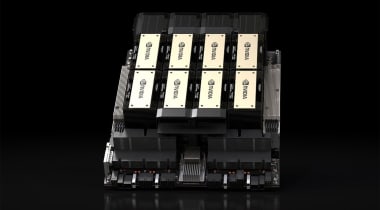
Sharetronic Data Technology Co., a Chinese firm, purchased nearly 300 servers with banned Nvidia AI chips worth $92 million, leading to a significant drop in the shares of data center supplier Sharetronic. The servers contained Nvidia H100 or H200 chips and were sold to a Shenzhen subsidiary. Despite the U.S. ban on exporting these high-performance AI accelerators, Sharetronic denies any wrongdoing. The company, which recently pivoted towards AI data centers, has faced scrutiny over its procurement practices and potential violations of U.S. export restrictions. This incident has prompted calls from U.S. senators to halt the issuance of Nvidia GPU export licenses.

Bain Capital's data center unit, Bridge Data Centers, has terminated its contract with Megaspeed International in Malaysia amid suspicions of smuggling Nvidia AI accelerators to China. The move reallocates power capacity to cloud provider Zenplayer, indicating a shift away from companies under investigation for illegal activities. This decision aligns with the heightened scrutiny of high-end computing hardware flows between the U.S. and China. As Bridge Data Centers seeks additional capital for expansion, maintaining compliant and stable tenants becomes crucial for securing funding in the competitive regional data center market.
We use cookies to ensure you get the best experience on our website. For more information on how we use cookies, please see our cookie policy.