Back to home
Technology

Exclusive: Lenovo has Snapdragon X2 Elite (X2-E88-100) and X2 Plus PCs up its sleeve for CES 2026

Source

Windows Latest

Published

TL;DR

AI Generated

Lenovo is set to unveil new Windows on ARM laptops at CES 2026, including the Snapdragon X2 Elite and X2 Plus PCs. The lineup includes the Lenovo Yoga Slim 7x with Snapdragon X2 Elite, promising high performance and portability with up to 29 hours of battery life. Additionally, the IdeaPad 5x 2-in-1 and IdeaPad Slim 5x models will run on Snapdragon X2 Plus processors, offering flexibility and mainstream appeal. Lenovo aims to make Snapdragon-powered Windows laptops more accessible, focusing on thin-and-light designs and practical features like rapid charging. While Lenovo's Snapdragon X2 devices prioritize battery life and mainstream usability, the company continues to reserve its more performance-oriented hardware for Intel chips.
Read Full Article

Similar Articles

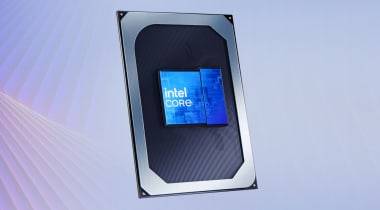
Intel details 18A-P process node, touts higher performance, lower power, and better thermals — 9% more performance, thermal conductivity improved by 50%

Intel details 18A-P process node, touts higher performance, lower power, and better thermals — 9% more performance, thermal conductivity improved by 50%

Intel is progressing with its 18A-P process node technology, boasting higher performance, lower power consumption, and improved thermals compared to its baseline 18A technology. The 18A-P process introduces new transistors, tighter process variability control, and enhanced thermals, potentially attracting interest from companies like Apple. This enhanced technology offers a 9% performance boost or an 18% power reduction compared to the base 18A process. Additionally, improvements in skew corner tightening, threshold voltage options, and metal stack resistance and capacitance contribute to better performance efficiency and yield. The 18A-P process also focuses on enhancing thermals, reliability, and voltage behavior critical for both client and data center applications.

Tom's Hardware
China announces CPU-only exascale supercomputer with 47,000 homemade processors, record 2 Exaflops of performance without GPUs — Lingshen super said to use Huawei Kunpeng servers and no foreign-made components

China announces CPU-only exascale supercomputer with 47,000 homemade processors, record 2 Exaflops of performance without GPUs — Lingshen super said to use Huawei Kunpeng servers and no foreign-made components

China's National Supercomputing Center in Shenzhen unveiled the Lingshen supercomputer project, aiming for over 2 ExaFLOPS performance using 47,000 homemade processors without GPUs or foreign components. The system, designed to surpass the current fastest supercomputer, El Capitan, would utilize Huawei Kunpeng servers and Arm-based Taishan cores. The project includes a pilot phase with 100 servers and a full production system with 1,580 blade servers. While China's claims of achieving 2+ ExaFLOPS are ambitious, questions remain about the feasibility of surpassing existing supercomputing benchmarks without GPUs or foreign-made CPUs.

Tom's Hardware
Disabled gamer prototypes true one-handed keyboard-and-mouse controller — maker inspired to build device after losing right arm in an accident

Disabled gamer prototypes true one-handed keyboard-and-mouse controller — maker inspired to build device after losing right arm in an accident

A Reddit user, inspired by losing their right arm in an accident, created a prototype for a one-handed gaming controller that combines keyboard and mouse functions. The ERCHAM MK1 features a 28-key programmable keypad with an optical sensor for mouse functionality, making it suitable for individuals with disabilities like amputees, nerve injuries, or stroke survivors. The device allows for left- and right-handed use without modifications and has garnered interest from the Reddit community, potentially leading to production. The creator aims to develop the controller further, catering to a market segment often overlooked by mainstream peripheral manufacturers.

Tom's Hardware
Tested: Windows 11 setup screen now finally lets you skip forced updates, and go directly to the desktop

Tested: Windows 11 setup screen now finally lets you skip forced updates, and go directly to the desktop

Microsoft is introducing a new feature in Windows 11 that allows users to skip forced updates during the setup process, enabling them to go directly to the desktop. This feature, called "Update Later," lets users defer updates while setting up their device. Users can then manually pause or apply updates after reaching the desktop. Additionally, Microsoft is considering removing the mandatory Microsoft account setup requirement and reducing upsells during the out-of-box experience. These changes aim to improve user control and streamline the initial setup process in Windows 11.

Windows Latest

We use cookies

We use cookies to ensure you get the best experience on our website. For more information on how we use cookies, please see our cookie policy.